
Cloud Repatriation and FinOps: Why Companies Are Bringing AI Workloads Home
The cloud conversation in 2026 is not about migrating everything up. It is about placing each workload where it actually belongs. Inference costs, data residency and sovereignty are driving a measured move back to owned infrastructure.
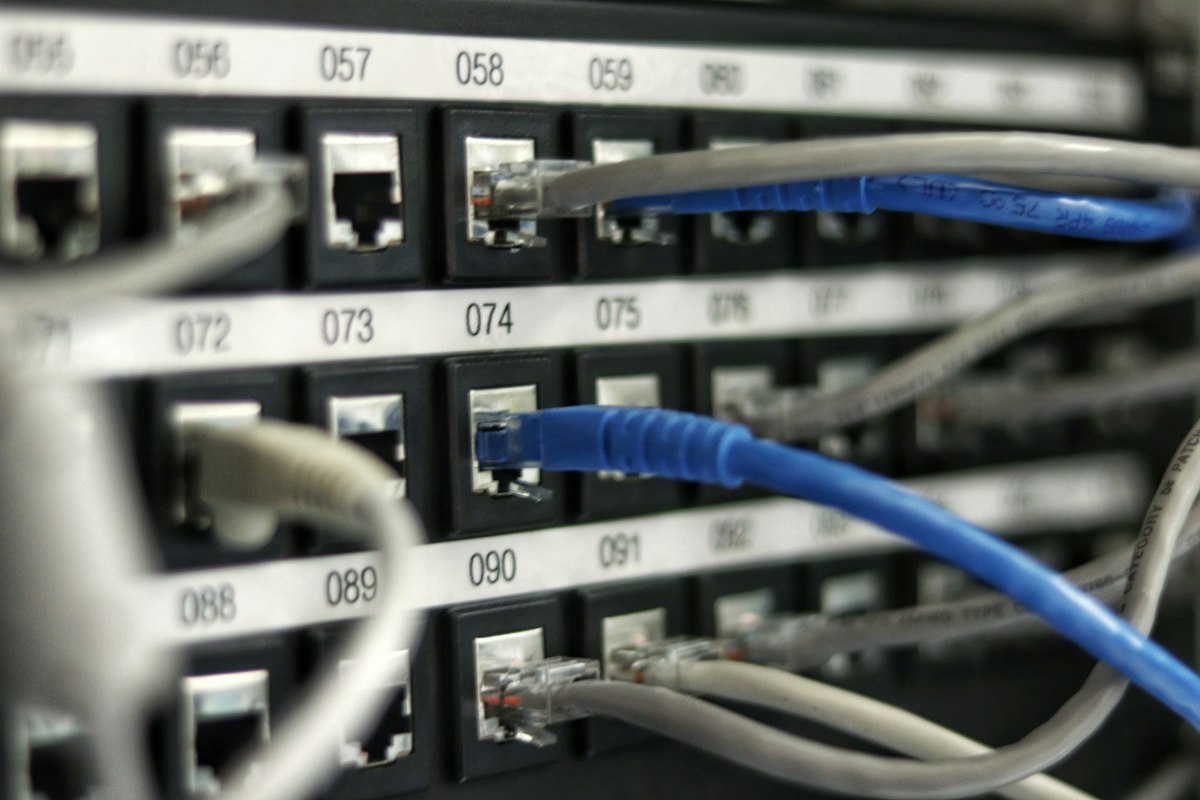
For a decade the default architectural answer was "put it in the cloud". In 2026 that answer has become conditional. Organisations are auditing their bills, discovering that a specific class of workload behaves badly under consumption pricing, and moving that class — and only that class — back to infrastructure they control.
Key takeaways
- AI workloads are the single biggest driver behind documented repatriation cases in 2025 and 2026.
- Reports indicate 80–90% of surveyed firms are repatriating predictable AI inference to cut compute and egress costs.
- Sovereign cloud IaaS spending is projected to reach roughly $80 billion by end of 2026, up about 35.6% year on year.
- 57% of organisations now feel a need to run infrastructure within a single country — driven by security and data protection, not price.
Why did AI break the cloud cost model?
Public cloud economics reward variable demand. You pay for peaks only when they happen, and that flexibility is worth a premium over owning hardware that sits idle.
Production AI inference inverts that assumption. Once a model is embedded in a product, it runs continuously at a fairly steady rate. You are renting, at a premium, capacity you use almost every hour of every day — the exact scenario where ownership wins. Add data egress charges for moving results out, and the gap widens further.
This is why the emerging pattern is split rather than binary: train in the cloud, serve on owned infrastructure. Training is bursty, occasional and benefits enormously from elastic access to large GPU fleets. Inference is steady, predictable and punished by per-token or per-hour billing.
What is geopatriation, and why does it matter in India?
Repatriation is a cost and control decision. Geopatriation — a term Gartner added to its strategic trends — is a legal one. It describes workloads moving to sovereign regional clouds whose controlling legal entity is incorporated in the customer's own regulatory zone.
The driver is jurisdictional exposure: which government can compel a provider to hand over data, regardless of where the servers physically sit. With India's DPDP framework now in active enforcement, alongside the EU Data Act and similar regimes elsewhere, data residency has shifted from a procurement preference to an architectural constraint. Notably, hyperscalers are charging up to 30% more for sovereign offerings — and organisations are paying it.
The FinOps mantra of 2026 has shifted from "cheapest compute" to "most compliant compute".
How do you decide where a workload belongs?
Rather than debating cloud versus on-premise in the abstract, score each workload on four axes:
| Factor | Favours public cloud | Favours owned / sovereign |
|---|---|---|
| Demand pattern | Spiky, seasonal, unpredictable | Steady, continuous, forecastable |
| Data gravity | Data already in cloud | Large volumes moved frequently |
| Regulatory exposure | Low sensitivity data | Personal, health or financial data |
| Operational maturity | No infrastructure team | Existing ops capability |
A workload scoring "owned" on three or four axes is a strong repatriation candidate. One scoring "cloud" on demand pattern almost never is, no matter how attractive the hardware quote looks.
What does good FinOps discipline look like now?
AI cost management — GPU utilisation and token-based billing in particular — is currently the top skill teams report needing to build. The practices that separate teams in control of their spend from teams surprised by it:
- Attribute every rupee to a service or customer. Untagged spend is unmanageable spend.
- Track cost per unit of business value — cost per invoice processed, per support ticket resolved — not just total monthly spend. Total spend rising is fine if unit cost is falling.
- Measure GPU utilisation honestly. Reserved accelerators running at 15% are the most expensive idle resource in modern IT.
- Model egress before committing. Data transfer charges are the most commonly underestimated line item in AI architectures.
- Route by difficulty. Send easy requests to a small local model and reserve frontier APIs for hard cases; teams doing this report inference spend falling by around 70%.
The counter-argument worth taking seriously
Some analysts argue the repatriation narrative is overstated — that headline percentages often count any workload movement, including routine rebalancing, and that aggregate public cloud spending continues to grow regardless. That critique is fair. The honest summary is not "the cloud is over"; it is that the default has disappeared. Placement is now a per-workload decision requiring actual analysis, and defaulting to cloud for everything is as unexamined as defaulting to on-premise was in 2010.
What should a mid-sized Indian business do?
For most SMEs, wholesale repatriation is the wrong move — running your own infrastructure carries staffing and reliability costs that rarely pay back at modest scale. The practical priorities are narrower:
- Establish where your customer data physically resides and which jurisdiction governs your provider.
- Tag and attribute cloud spend so you can see which services actually drive the bill.
- If you run continuous AI inference, price a small dedicated deployment against your current API spend before scaling further.
- Treat data residency as a design requirement in new systems rather than a migration project later.
Conclusion
The 2026 cloud story is maturity, not reversal. Elasticity is still worth paying for where demand is genuinely elastic, and predictable workloads deserve predictable cost structures. Our cloud and DevOps team helps businesses map workloads against cost, compliance and operational reality before committing either direction — get in touch for a placement review.
Topics